AI image and video censorship becomes a real problem when you’re trying to get actual work done and a subscription AI platform refuses a reasonable request.
A normal prompt gets rejected. A reference image triggers a warning. You describe the scene you need, but the subscription AI service won’t generate it.
That may be annoying when you’re experimenting for yourself. It becomes a bigger problem when you’re creating ads, client work, product images, social content, or branded video on a deadline.
If you use subscription AI tools regularly, these restrictions affect what you write, which images you use, and how much the job costs.
That’s why AI image and video censorship matters to people who use subscription AI services for real creative work.
What AI Image and Video Censorship Actually Does
Most major subscription AI image and video platforms use automated moderation systems to decide whether a request is allowed.
The service may check your prompt before the model starts working. It can also inspect reference images you upload and, on some platforms, the finished image or video.
Subscription AI companies need moderation because millions of people use their services. They also have to handle safety concerns, laws, privacy issues, and legal complaints.
The problem is that automated moderation cannot always understand why you’re asking for something.
It may recognize certain words, objects, poses, or visual patterns. What it often misses is the normal reason those details are part of your project.
That’s where legitimate work gets caught.
Why Legitimate Creative Work Gets Blocked
A fashion photographer may need an image of a model in swimwear for a client campaign.
A skincare company may need to show bare skin because that’s where its product is used.
A filmmaker may need a fight scene, while a teacher may need an anatomical image for a lesson.
Another person can understand those examples immediately. An automated filter doesn’t know the full story behind the request.
Instead, it may see details that also appear in content the subscription AI service has chosen to restrict.
That’s how AI image and video censorship creates false positives. The platform applies a broad rule without understanding why the material is needed.
For someone doing paid work, this type of censorship can cost them tons of time and money trying to prompt around the built in content restrictions of an AI subscription service.
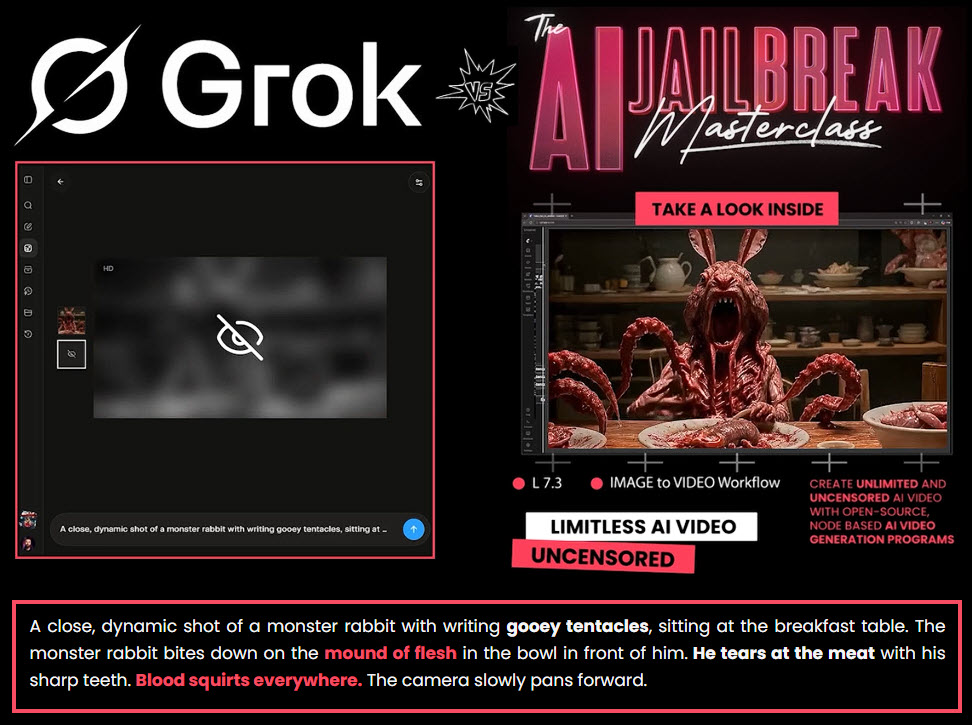
AI Image Censorship Can Block Reference Images
Prompts aren’t the only thing subscription AI platforms check.
Many professional AI workflows depend on reference images because a photo can show details that are hard to describe with words.
A product photographer might upload a real product photo and ask a subscription AI service to place it in a new scene. A designer may use an approved character or campaign image so the next generation matches existing work.
Many subscription AI services inspect those uploads before they let the model use them.
If the filter rejects your reference image, the model never gets the chance to work with it.
This can happen when you took the photo yourself or when your client owns it and approved its use.
Either way, the subscription AI platform can stop you from using legitimate source material.
AI Video Censorship Can Be Harder to Predict
Subscription AI video services can be harder to predict because the model has to create movement from one frame to the next.
A service may accept your starting image and then reject your animation instructions.
One motion might work while a slightly different version gets blocked. Certain actions, poses, or camera angles may also trigger restrictions.
That makes AI video censorship difficult to predict during normal testing.
A video creator may test several camera moves, gestures, speeds, or starting frames before finding the right combination.
Normally, each test improves the clip. When moderation interrupts those tests, you also have to figure out which wording the subscription AI service will accept.
Part of the job shifts from improving the video to dealing with the filter.
When Prompt Writing Turns Into Filter Avoidance
AI image and video censorship becomes especially frustrating when you stop describing the scene normally and start writing around the moderation system.
You may remove an accurate word or replace a specific description with something less useful.
Sometimes a useful reference image gets dropped because the subscription AI platform refuses it. In other cases, you change the scene just to get the request accepted.
Either change can hurt the final result.
AI models usually do better when you clearly describe the subject, action, lighting, and camera position.
If you remove useful details to get the prompt accepted, the model has less information to work with.
The request may finally run, but the result can end up farther from what you wanted.
Then you spend another generation fixing a problem that wasn’t in your original instructions.
AI Image and Video Censorship Waste Credits
A rejected request can cost more than a few seconds.
Say you write a detailed prompt for a client image and the subscription AI platform refuses it. You rewrite the prompt, but the next image is wrong because you removed details the model needed.
You may need two or three more attempts before you finally get something usable.
Every retry takes time and may use part of your monthly allowance or paid credits.
That means AI image and video censorship can make a project more expensive.
You’re spending paid generations on getting through the filter instead of testing creative ideas. If you make a few images each month, you may barely notice. If you generate every day, those wasted attempts add up quickly to LOTS of wasted money.
Why Subscription AI Services Use Broad Restrictions
Subscription AI companies receive far more requests than human reviewers could check one by one, so they rely on automated moderation for most decisions.
The same subscription AI service may operate across many countries and industries. To handle that scale, companies create general policies for everyone using the service.
The filter doesn’t know whether your image belongs to a fashion campaign, film scene, medical lesson, or product ad. It simply checks what you submitted against the subscription AI platform’s rules.
That’s why AI image and video censorship sometimes catches legitimate work. A general filter cannot judge every professional situation with human context.
OpenAI, for example, says it uses automated and human systems to identify content that may violate its policies.
Subscription AI Platform Rules Can Change
A subscription AI platform can change its rules after you’ve built your workflow around it.
The company may update its filters, restrict reference images, remove a model, or change what that model can create.
A prompt that works today may stop working after a policy update.
For a business that relies on the same subscription AI service every week, that change can interrupt paid work. You may suddenly have to rewrite prompts, change services, or rebuild part of a client project.

Local and Open-Source AI Gives You More Control
Local and open-source AI gives you another option when subscription AI services keep blocking legitimate work.
Instead of sending every prompt and reference image to a subscription AI platform, you can run models on your own computer or on computing resources you control.
You choose the models, reference images, and settings. A subscription AI company’s moderation system no longer decides whether your prompt reaches the model.
That helps when a subscription AI service rejects material you’re allowed to use because its automated checks misunderstand the project.
Running models yourself also lets you test prompts and versions without paying a subscription AI platform for every generation.
You still have legal and professional responsibilities for what you create. Copyright, privacy, likeness rights, client permissions, and applicable laws still matter.
The difference is that you make those decisions based on the actual project. If you want to build this setup yourself, the AI Jailbreak Masterclass shows you how to use local AI for image and video generation step by step

Custom Image Models Can Help Keep Your Brand Consistent
More control also helps when the same product, person, character, or visual style needs to stay consistent.
General-purpose models inside subscription AI services don’t automatically know the exact details of your brand. Logos can move, packaging can change, faces can shift, and colors can stop matching the campaign.
That gives the model better information about what your product, person, character, or style should look like. For brands producing repeated ads or product scenes, that consistency makes the work easier to use.
Who Benefits Most From More Control?
Subscription AI image and video services still work well for plenty of people. They’re convenient and quick to start using.
If you only create AI content occasionally and moderation rarely gets in your way, a subscription AI service may be all you need.
Things change when AI becomes part of the work you deliver every week.
Photographers, designers, marketers, advertisers, filmmakers, educators, and brands have more at stake when reasonable requests keep getting rejected.
The same problem appears when approved source images get blocked or harmless prompts need repeated rewrites.
Once those workarounds become routine, AI image and video censorship is taking time away from the work you’re actually being paid to do.
That’s usually when having more control becomes worth the extra setup.
Bottom Line
AI image and video censorship becomes a practical problem when a subscription AI platform blocks reasonable prompts, rejects legitimate reference images, changes outputs, or interrupts normal creative work.
Subscription AI companies use automated moderation because they need systems that can handle millions of users.
Those systems don’t know the full story behind every professional project. That’s why legitimate users can get caught by rules created for very different situations.
If you use subscription AI services occasionally, you may be able to live with those restrictions.
If you use them for paid work, repeated moderation problems can waste time, burn through credits, and make your workflow harder to rely on.
Local and open-source AI gives you another way to work.
You can choose the models, source images, settings, and software that fit the job.
You remain responsible for making sure your work is legal and properly authorized.
For creators who keep losing time to false moderation flags from subscription AI services, having control over the models they use can make AI easier to use for real projects.
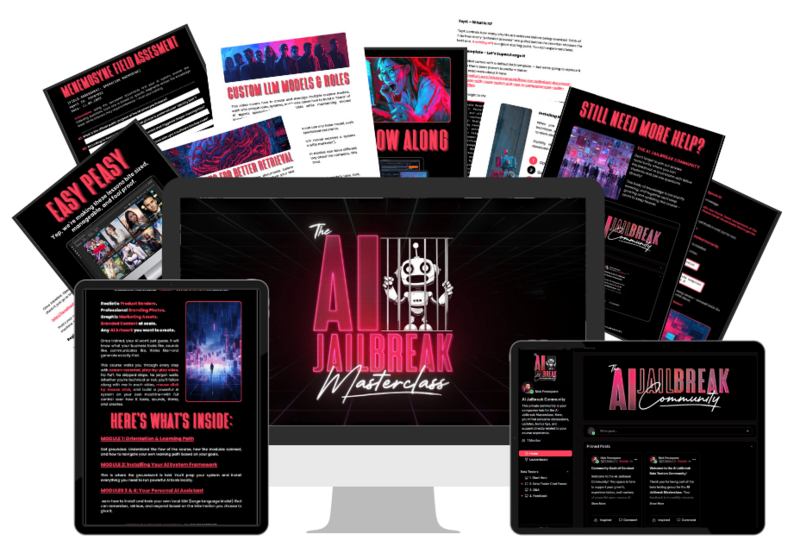
If you want to build a local AI system for your own image and video work, the AI Jailbreak Masterclass walks you through the full setup and shows you how to use it for real projects.